


Walking the Camino del Norte: A Coastal Pilgrimage Along Spain’s Northern Shore
- Marianne Belanger
- Dec 30, 2025
- 6 min read
This adventure is a bit different from our previous trips. It’s a long walking journey—both physical and spiritual—that takes you deep into your thoughts. The Camino del Santiago isn’t just about getting from one place to another; it’s about slowing down, simplifying, and allowing space for reflection.

The Camino del Norte is one of several routes that make up the Camino de Santiago, a historic pilgrimage trail in northern Spain leading to Santiago de Compostela. We chose this path for its stunning coastal scenery and its relative tranquility compared to other routes (20,582 pilgrims on the Camino del Norte vs. 219,785 on the Camino Francés in 2023).
We loved the peaceful atmosphere. You often walk with the same few people each day and can go for kilometers without seeing anyone, which is incredibly calming. The trail winds through charming seaside villages, beaches, gentle hills, and larger cities like Bilbao, offering a beautiful mix of nature and culture.
Why We Chose the Camino del Norte
While the scenery was a major draw, we were also looking for a quieter Camino experience—one that felt more introspective and less crowded. The Norte offers long stretches of solitude, dramatic coastlines, and a slower rhythm that encourages reflection.
It felt like the right journey at the right time: a chance to disconnect from daily routines and reconnect with ourselves through movement, simplicity, and repetition.

How Long Is the Camino del Norte?
The full Camino del Norte stretches from Bayonne, France, to Santiago, covering approximately 963 km and typically completed in 37 to 42 days.
Many pilgrims, however, start in San Sebastián, which shortens the journey to about 803 km, usually walked over 30 to 38 days. That’s the option many people choose, especially if time is limited.

In this blog, I’ll cover how lodging works, tips for eating along the way, and why this walk is such a life-changing experience.
👉 You can also check out my separate posts on what to pack for the Camino and what a typical day looks like on the trail.
Tracking Your Journey: The Importance of the Pilgrim Credential
To begin your Camino, you’ll need to register with your local Camino organization (most countries or regions have one). This is essential, as you’ll need a pilgrim credential to stay in albergues (pilgrim hostels).
Your credential is also where you collect stamps from each place you sleep—both as a personal record and, importantly, as proof if you want to receive the Compostela certificate.
To qualify for the Compostela, you must:
Walk at least the last 100 km on an official Camino route
Collect at least two stamps per day over those final kilometers
By the end of the journey, your credential becomes a meaningful souvenir filled with memories from the road.
Following the Yellow Shell: How to Navigate the Camino del Norte
I highly recommend using a guide to plan your itinerary. One of the great things about the Camino is the flexibility—you can choose your own pace and daily distance, building in shorter days to rest if needed.
Most routes suggest walking 20 to 30 kilometers per day, depending on the terrain. You can use a paper guide, which many pilgrims carry, or opt for a digital one. We used the free “Buen Camino” app (available on the App Store and Play Store), which was very complete and easy to navigate. We mostly followed the app’s suggested stops and routes, adjusting only when lodging availability required it.
One of the benefits of sticking to popular stopping points is the sense of community—you often walk with the same group of people each day and form amazing bonds.
Camino Waymarking: Is It Easy to Follow?
Very. At nearly every intersection—even in larger cities—you’ll find signs or the iconic yellow shell pointing the way. We rarely needed GPS and only asked locals for directions a few times. The route is exceptionally well marked.


Resting Along the Way: A Guide to Camino Lodging
Finding lodging along the Camino was surprisingly easy. The most common option is staying in albergues, pilgrim-only accommodations similar to hostels, typically with bunk beds in shared rooms.

You’ll also come across hotels, hostels, and the occasional Airbnb along the way.
One of the great things about albergues is that most don’t require reservations, giving you the freedom to be spontaneous. You can walk farther if you feel energetic or stop early if you need rest.

The downside is that most albergues operate on a first-come, first-served basis. If one is full, you may need to walk anywhere from a few meters to up to 10 kilometers farther to find another option.
Because of this, we chose to book a hostel or hotel in a few cities where only one or two albergues were available—just to be on the safe side.
How Much Does It Cost to Walk the Camino del Norte?
Albergues usually cost between €5 and €15 per night, per person. Some operate on a donation basis (donativo), where you simply leave what you can in a box when you check in.
From what we observed, most pilgrims typically donated around €10 per person.
Overall, the Camino can be as affordable or as comfortable as you choose, depending on your accommodation and food preferences.
Fueling Your Journey: Tips for Eating Along the Way
Food is essential on a trip like this—not only for energy but also as one of the great pleasures of the Camino.

We chose a mix of:
Grocery shopping
Preparing simple meals ourselves
Eating out at restaurants
Typically, we prepared our own breakfast, lunch, and snacks, and ate out most evenings. Many restaurants near albergues—and sometimes the albergues themselves—offer a “pilgrim’s meal.” These usually include salad, bread, a main dish (fish or meat), and dessert. After a long day of walking, it’s a perfect way to refuel.

Along the way, it’s easy to find grocery stores or small shops selling simple meal options. Our typical food choices included:
Bread with spreads for breakfast
Sandwiches, canned fish, beans, chickpeas, or tortilla de patatas for lunch
Fruits, nuts, cookies, and snacks for the road
TIP: Grocery stores are generally more affordable and offer more variety than convenience shops, but you may need to carry food for a few kilometers. Also, keep in mind that many village stores close on Sundays—plan ahead and stock up on Saturday.
Physical and Mental Challenges on the Camino del Norte
The Camino del Norte is often described as more physically demanding than it appears. The coastal views are stunning, but they come with frequent ups and downs, long days, and changing weather.
Mentally, the challenge is different. Walking alone for hours gives you plenty of time to think—or not think at all. Some days feel meditative and light; others feel long and introspective. Over time, the rhythm of walking, eating, and sleeping simplifies everything.

The Camino Community: Walking Together, Even When Alone
One of the most beautiful aspects of the Camino is the people you meet along the way. Even on a quieter route like the Norte, a strong sense of community forms naturally.
You may walk alone for hours, yet still see familiar faces at lunch stops or albergues in the evening. Conversations start easily, friendships form quickly, and everyone understands what it means to be tired, sore, and happy at the same time.
Is the Camino del Norte Safe?
We felt very safe throughout the journey. The Camino infrastructure is well established, locals are accustomed to pilgrims, and there’s a shared sense of care along the route.
Walking alone for long stretches felt peaceful rather than unsettling, and help—whether from fellow pilgrims or locals—was always close by.
Who the Camino del Norte Is (and Isn’t) For
The Camino del Norte is ideal if you:
Enjoy nature, coastlines, and quieter trails
Don’t mind hills and longer walking days
Prefer reflection and solitude over crowds
It may be less ideal if you’re looking for:
A highly social, café-filled Camino
Flat terrain
A very structured or fast-paced experience
Why the Camino del Norte Is a Life-Changing Journey
The Camino del Norte isn’t just a long walk along Spain’s northern coast—it’s a journey inward. It teaches patience, resilience, and appreciation for small moments: a quiet beach, a shared meal, a friendly “Buen Camino.”
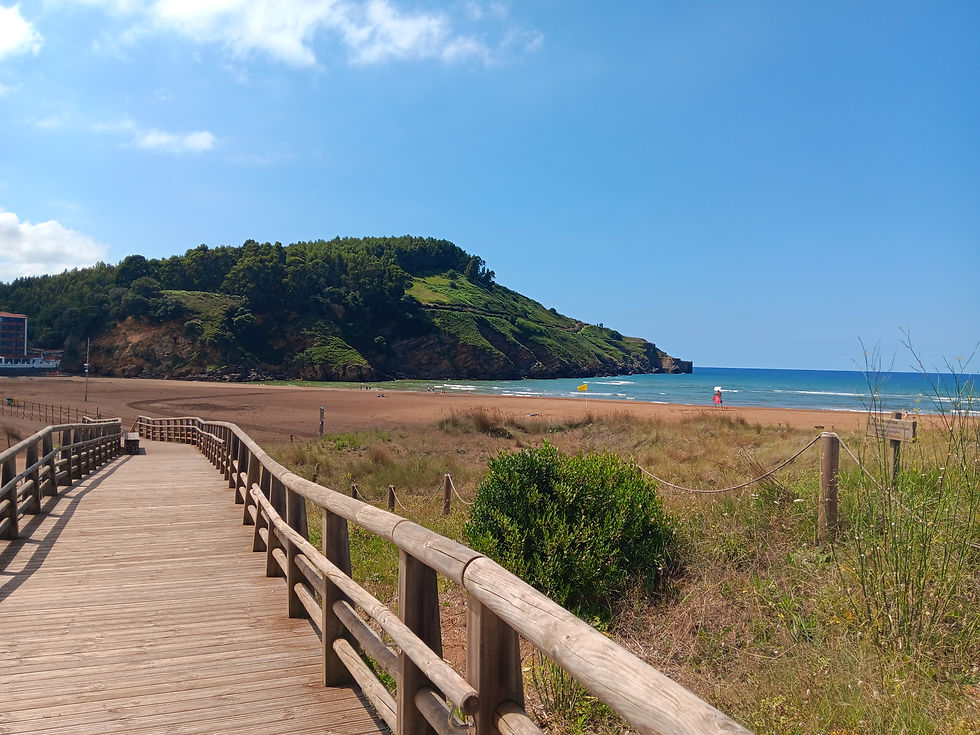
Long after the walking ends, the Camino stays with you.


Comments